Your Ultimate Collision Repair Duration Guide: What Influences the Timeline?
When your vehicle suffers damage from a collision, the first question on your mind is often: How long will it take to get my car back? I completely understand that feeling. You want your car repaired quickly, but you also want the job done right. The truth is, the time it takes to fix your vehicle depends on several factors. In this guide, I’ll walk you through the key elements that influence the collision repair duration, helping you set realistic expectations and feel confident throughout the process.
Understanding the Collision Repair Duration Guide
Before diving into specifics, it’s important to grasp the overall collision repair duration guide. Repairing a vehicle after an accident isn’t a one-size-fits-all process. The timeline can vary widely based on the extent of damage, parts availability, and even the repair shop’s workload.
Here’s a quick overview of what typically affects the repair duration:
Severity of damage: Minor dents take less time than frame damage.
Parts availability: OEM parts might take longer to source.
Insurance processing: Approval delays can add days.
Repair shop capacity: Busy shops may have longer wait times.
Type of repair: Paint jobs, mechanical fixes, or structural repairs all differ in time.
Knowing these factors helps you understand why some repairs take a few days, while others stretch into weeks.

Key Factors That Influence Collision Repair Timelines
Let’s break down the main factors that impact how long your vehicle will be in the shop.
1. Extent of Damage
The severity of the damage is the biggest factor. A small fender bender with a dented bumper might only take a couple of days to fix. But if the collision caused frame damage, bent suspension parts, or engine issues, the repair will take longer. Structural repairs require precision and multiple steps, including disassembly, straightening, welding, and inspection.
2. Parts Availability and Ordering
Sometimes, the parts needed for your vehicle aren’t readily available. If your car requires specific OEM (Original Equipment Manufacturer) parts, these might need to be ordered from the manufacturer or a distributor. Shipping delays or backorders can add days or even weeks to the repair timeline. In some cases, aftermarket parts might be an option, but this depends on your preferences and insurance coverage.
3. Insurance Approval Process
Before repairs begin, insurance companies often need to inspect the damage and approve the repair estimate. This process can take time, especially if there are disputes about coverage or if additional damage is discovered during disassembly. Staying in close contact with your insurance adjuster and repair shop can help speed this step.
4. Repair Shop Workload and Scheduling
The shop’s current workload plays a role too. If the body shop is busy with multiple vehicles, your car might have to wait before repairs start. Some shops prioritize based on the severity of damage or customer needs, but generally, a busy schedule means longer wait times.
5. Type of Repair Work Needed
Different repairs require different amounts of time. For example:
Paintless dent repair can be quick, often completed in a day.
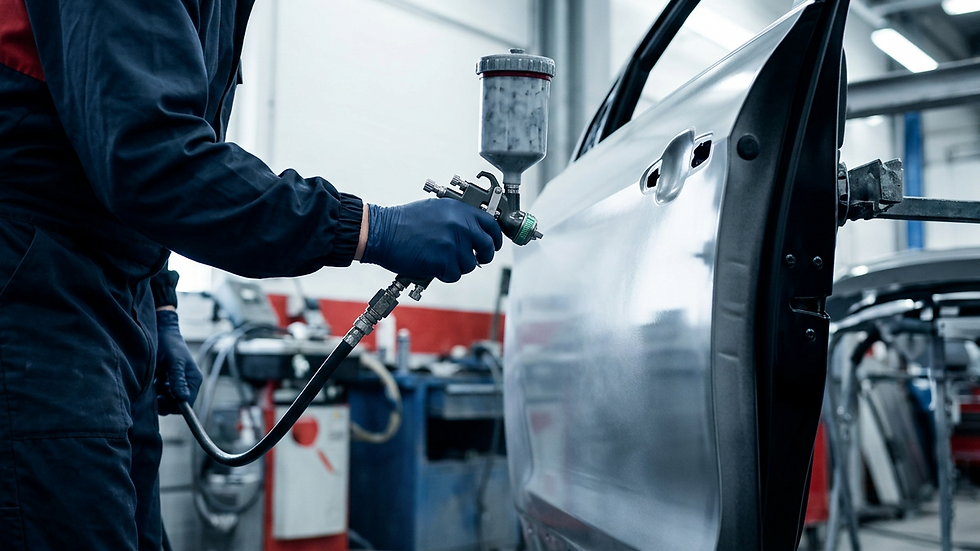
Custom paint jobs or color matching take longer due to multiple coats and curing times.
Mechanical repairs like fixing suspension or engine components require specialized work and testing.
Frame straightening involves precise measurements and adjustments, adding to the timeline.
6. Additional Repairs Discovered During Work
Sometimes, once the repair team starts working, they find hidden damage that wasn’t visible initially. This can include rust, internal component damage, or electrical issues. These surprises extend the repair time but are necessary to ensure your vehicle is safe and fully restored.
How long does it take to repair a car after an accident?
This is the question I get asked most often. While every case is unique, here’s a general idea based on typical repairs:
Minor cosmetic repairs (small dents, scratches): 1-3 days
Moderate damage (bumper replacement, panel repairs): 3-7 days
Severe damage (frame damage, multiple parts replacement): 2-4 weeks or more
Keep in mind, these are estimates. The actual time depends on the factors we discussed earlier. For example, if parts are delayed or insurance approvals take longer, the repair duration extends.
If you want a more precise estimate, it’s best to get a detailed assessment from your trusted repair shop. They can provide a timeline tailored to your vehicle’s condition.
Tips to Help Speed Up Your Collision Repair Process
While some factors are out of your control, there are ways you can help keep the repair process moving smoothly:
Choose a reputable repair shop with a track record of timely, quality work.
Provide all necessary insurance information promptly to avoid delays.
Stay in regular contact with your repair shop and insurance adjuster.
Be flexible with scheduling for drop-off and pick-up.
Ask about parts availability upfront and discuss alternatives if needed.
Consider rental car options to stay mobile while your vehicle is in the shop.
By being proactive and communicative, you can reduce unnecessary delays and feel more in control.
Why Trusting Your Repair Shop Matters
When your vehicle is damaged, you want peace of mind that the repairs will be done right the first time. Trusting your repair shop means you can relax knowing your car is in capable hands. A good shop will:
Provide clear timelines and updates.
Use quality parts and materials.
Follow safety standards and manufacturer guidelines.
Stand behind their work with warranties.
This trust helps reduce stress and ensures your vehicle is restored safely and beautifully.
If you want to learn more about what to expect during your vehicle’s repair, check out this helpful collision repair timeline resource.
Final Thoughts on Collision Repair Duration
Understanding the factors that influence collision repair timelines helps you set realistic expectations and plan accordingly. Remember, the goal is not just speed but quality and safety. Your vehicle deserves the best care, and taking the time to do it right ensures you’ll be back on the road with confidence.
If you’re facing repairs, don’t hesitate to ask questions and stay involved in the process. A trusted repair shop will welcome your involvement and keep you informed every step of the way.
Your car is more than just a vehicle - it’s part of your daily life. Treating it with care during repairs means you’ll enjoy many more miles of safe, smooth driving ahead.


Comments